Education
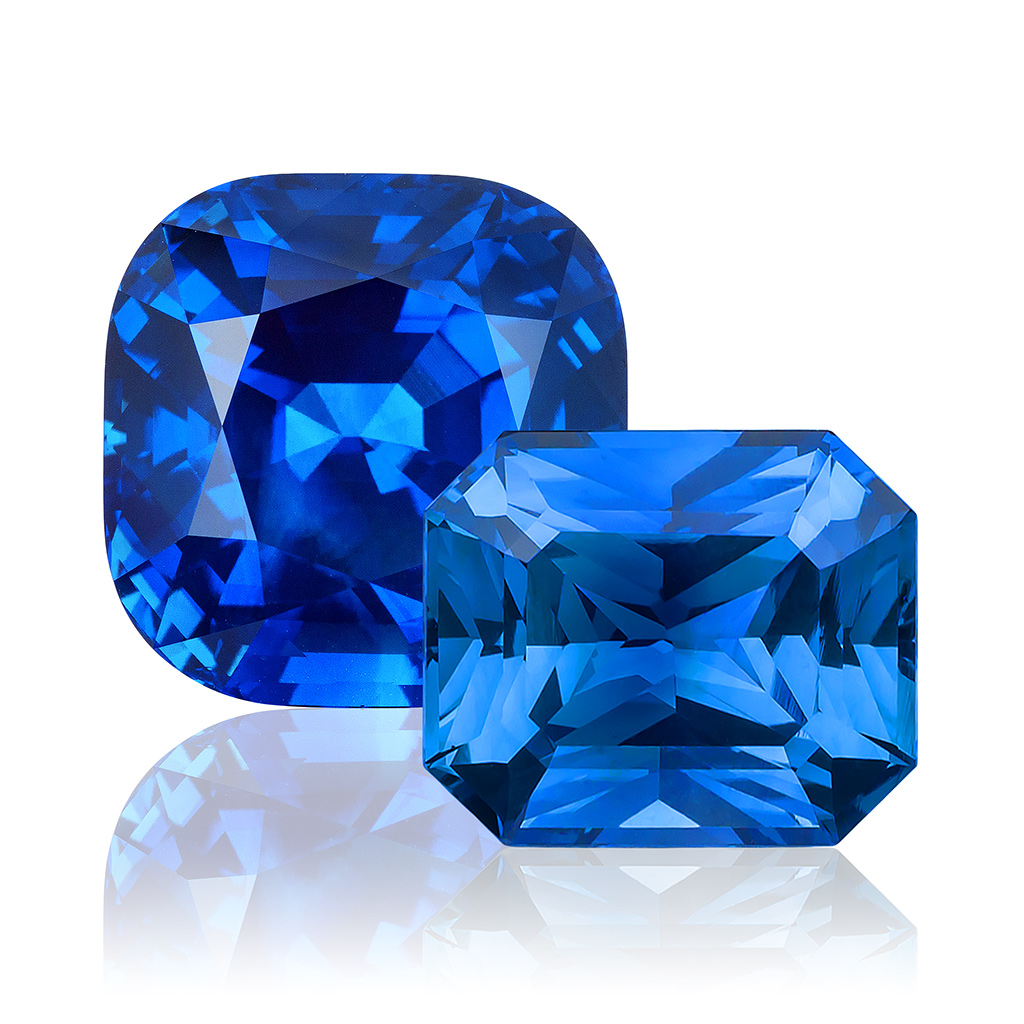
Blue Sapphire is one of the world's most sought-after gemstones, prized for its exceptional beauty, durability, and timeless
appeal. Its color ranges from delicate cornflower blue to rich, velvety royal blue and deep midnight blue. Ranking 9 on the
Mohs hardness scale, second only to diamond, sapphire is an excellent choice for everyday jewelry, including engagement
rings. It is also the birthstone for September, symbolizing wisdom, loyalty, and sincerity.
Fancy Color Sapphire refers to all sapphire colors except blue and red (ruby). These remarkable gemstones are available in a
stunning spectrum of hues, including vibrant pink, yellow, orange, green, purple, peach, and white, offering endless
possibilities for unique and colorful jewelry designs.
Most sapphires are routinely heat treated to permanently enhance their color and clarity. This stable, industry-accepted
process has been used for generations and does not diminish the gemstone's beauty or durability.
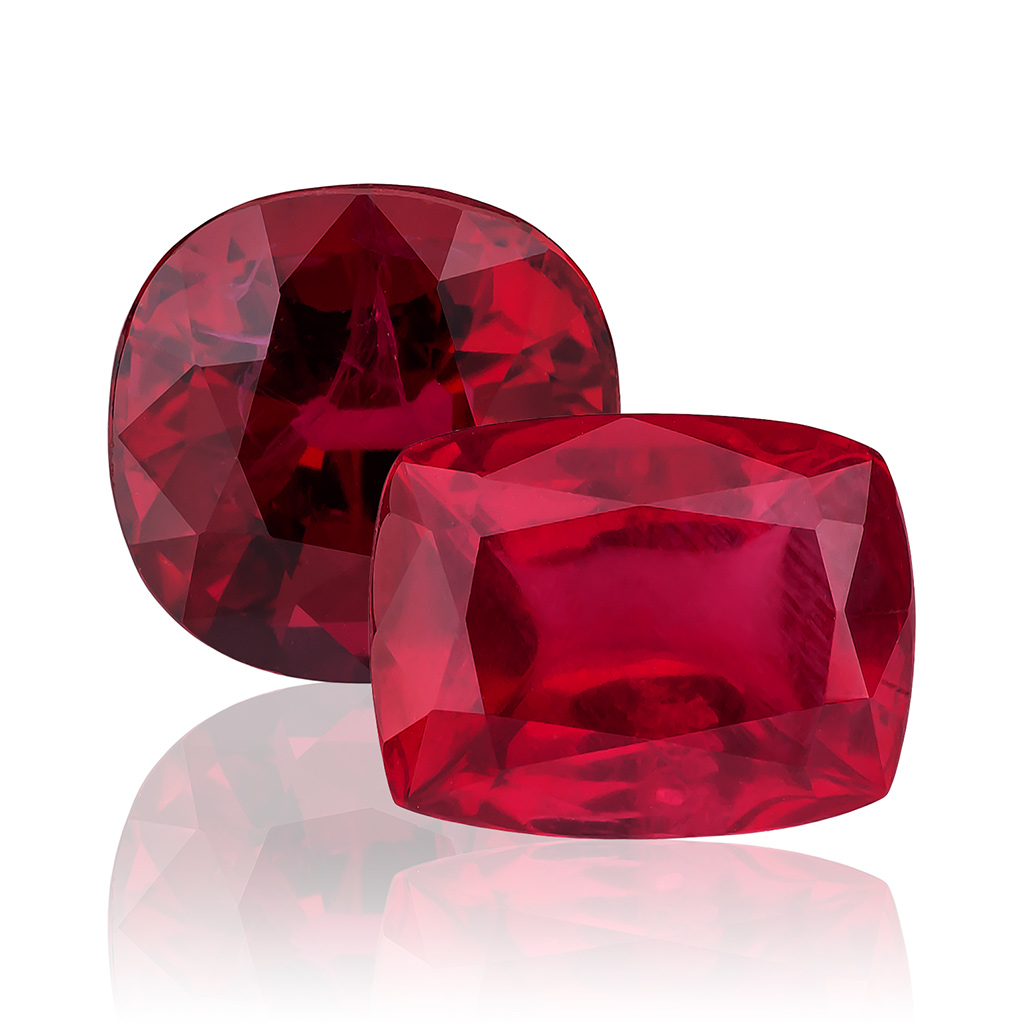
Ruby is the red variety of the mineral corundum and is one of the world's most treasured gemstones. Renowned for its vivid
color, exceptional durability, and rarity, ruby shares the same outstanding hardness as sapphire, making it an excellent
choice for everyday jewelry and engagement rings.
Fine rubies are mined in several regions around the world, with Myanmar (Burma) and Thailand historically producing some
of the most prized gemstones. Today, high-quality rubies are also sourced from countries including Mozambique,
Madagascar, and Vietnam.
Ruby is the birthstone for July and is the traditional gemstone for the 15th and 40th wedding anniversaries. Most rubies on
the market are heat treated to permanently enhance their color and clarity. This stable, industry-accepted treatment has
been used for decades and is widely accepted throughout the gemstone trade.
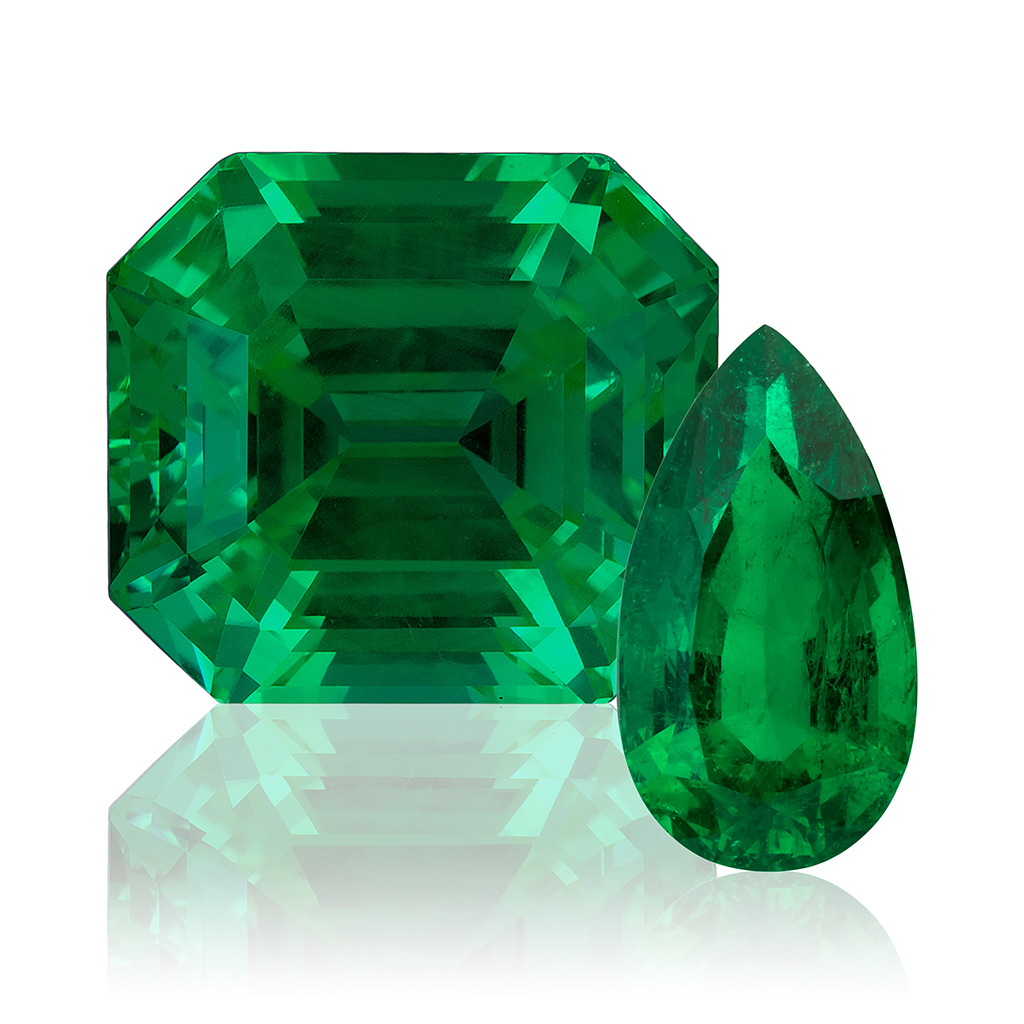
Emerald is the rich green variety of the mineral beryl and has been treasured for centuries for its vibrant color and timeless
elegance. Fine emeralds are sourced from several regions around the world, with Colombia producing some of the most
highly prized stones. Other important sources include Zambia, Brazil, Zimbabwe, and Pakistan.
The most important factor in evaluating an emerald is its color, with vivid, evenly saturated green being the most desirable.
Unlike many other gemstones, emeralds commonly contain natural inclusions and tiny internal fissures—often referred to as
the stone's "jardin" or garden. These natural characteristics are accepted as part of the gemstone's unique beauty and, in
high-quality stones, do not diminish their value.
Emerald is the birthstone for May and is a popular choice for fine jewelry. While suitable for everyday wear with proper care,
emeralds are more delicate than sapphires or rubies. To preserve their beauty, avoid sudden temperature changes, harsh
chemicals, ultrasonic cleaners, and steam cleaning. Gentle cleaning with warm water, mild soap, and a soft brush is
recommended.
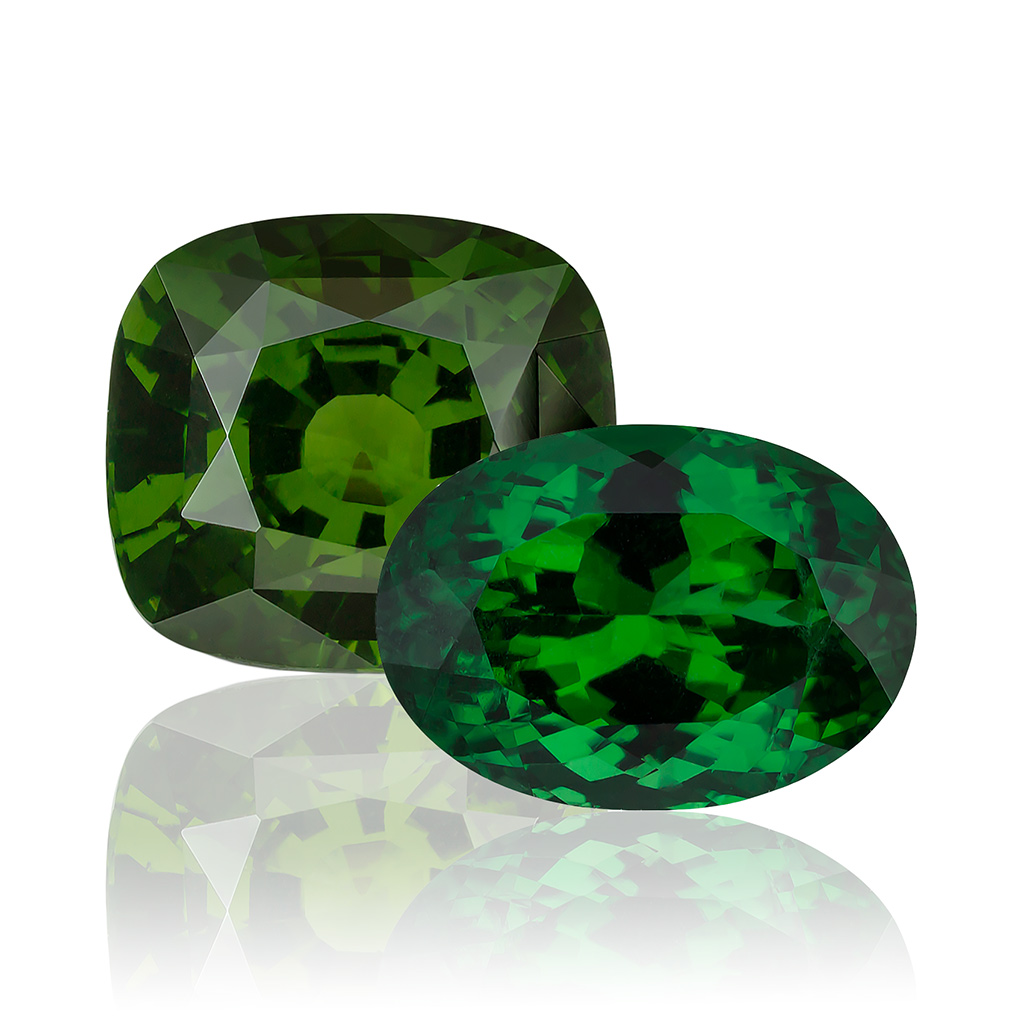
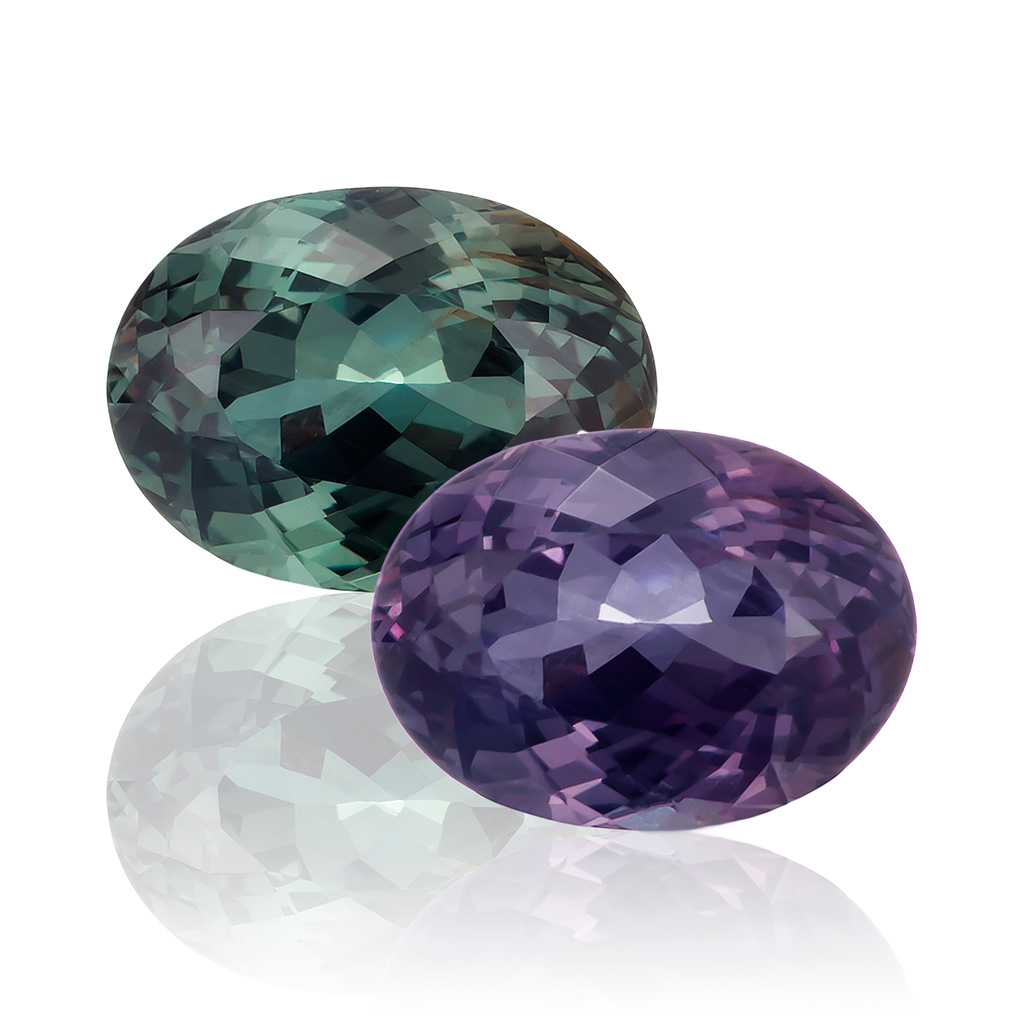
Alexandrite is one of the world's rarest and most fascinating gemstones, celebrated for its remarkable color-changing ability.
First discovered in Russia's Ural Mountains during the 19th century, alexandrite appears as a beautiful green to bluish-green in
daylight or fluorescent light, then transforms into rich purplish-red or raspberry-red under incandescent lighting.
Today, alexandrite is mined in Brazil, Tanzania, India, Madagascar, Myanmar (Burma), and a few other locations. While these
sources produce exceptional gemstones, fine Russian alexandrite with a strong, dramatic color change remains among the
rarest and most valuable colored gemstones in the world—often rarer than ruby, sapphire, or emerald.
Alexandrite is the birthstone for June and is prized by collectors and jewelry enthusiasts for its rarity, durability, and
extraordinary optical properties. Stones displaying a vivid, distinct color change are the most highly sought after and command
the highest values.
Tsavorite Garnet is one of the world's finest green gemstones, admired for its exceptional brilliance, vibrant color, and
remarkable rarity. First discovered in 1967 near Tsavo National Park on the border of Kenya and Tanzania, Tsavorite is found
primarily in these East African countries.
Tsavorite's vivid green color ranges from fresh, grassy green to rich, deep forest green. Unlike many other green gemstones,
Tsavorite is prized for its outstanding brilliance and sparkle, even in smaller sizes. Fine gemstones weighing over two carats are
exceptionally rare and highly sought after by collectors and jewelry designers.
With a Mohs hardness of 7 to 7.5, Tsavorite is well suited for everyday jewelry, including rings, earrings, pendants, and
bracelets. Its natural beauty, combined with its rarity and durability, has made Tsavorite one of the most desirable green
gemstones in the world.